
Introduction
In today’s competitive market, consumers make split-second decisions about which products to buy—and more often than not, the decision is driven by what they see first: the packaging. For food brands, especially new or lesser-known ones, a product’s packaging is often the first and only chance to make a powerful impression.
It’s not just about protecting the product anymore. Premium food packaging is now a key marketing tool. It communicates quality, builds trust, and influences perception before the customer even tastes the product. Whether you’re a brand owner or a designer accepting food packaging work, understanding how to create packaging that looks high-end and sells well from first sight is crucial.
This article will explore the essential elements of designing premium food packaging that captures attention, reflects your brand’s value, and drives sales—right from the shelf or screen.
Primary Keyword: premium food packaging
Secondary Keywords: food packaging that sells, designing food packaging, first impression packaging, high-end food brand design, packaging for food brands
1. Why First Impressions Matter in Food Packaging
A study from the Paper and Packaging Board found that 72% of consumers say packaging design influences their purchase decisions. In supermarkets or on online platforms like Shopee or Amazon, consumers are bombarded with options. The visual appeal of packaging often determines whether a product ends up in a shopping cart—or gets passed over.
Premium packaging instantly signals:
- Quality of ingredients
- Trustworthiness of the brand
- Target customer segment
- Price point
Without saying a word, it sets the tone for what consumers can expect inside.
2. Use Design Elements That Communicate “Premium”
🖋️ Typography
Choose fonts that feel refined and modern. Serif fonts often convey tradition and heritage, while minimalist sans-serif fonts give off a luxury, clean feel. Avoid cluttered or over-decorative typefaces that cheapen the look.
🎨 Colour Palette
Stick to elegant, muted, or bold colour schemes. Black, white, navy, gold, and deep green are classic premium choices. The key is consistency across all product lines.
🖼️ Minimalism
Premium design leans heavily toward less is more. Clean lines, focused messaging, and lots of whitespace make packaging look confident and upscale.
🏷️ Finishes
Using textured materials, embossed logos, matte coatings, or metallic foil stamping gives the physical packaging a tactile feel that enhances its perceived value—especially for gourmet items or gift sets.
3. Highlight Product Quality and Story
Premium doesn’t always mean expensive. It means thoughtfully made. Your packaging should reflect the value within by communicating:
- Ingredient sourcing (e.g., organic, local, fair trade)
- Craftsmanship (e.g., handmade, small batch)
- Brand values (e.g., eco-conscious, health-focused)
Use the back or side panels to tell your brand story, or use QR codes to link to a landing page with videos or founder narratives. People buy emotionally first—then justify it logically. Great storytelling makes premium packaging sell.
4. Design for the Right Audience
Understanding your target market is essential. Packaging that appeals to young urban professionals will look different from packaging aimed at parents or health-conscious shoppers.
Ask yourself:
- What does your ideal customer value—convenience, indulgence, sustainability?
- Where will they see the packaging—in-store or online?
- How do they want to feel when purchasing or gifting your product?
The answers will shape your visual hierarchy, color choices, and even packaging format.
5. Think Beyond the Box: Form Matters Too
Premium food packaging isn’t just about the graphics—it’s about structure and user experience.
Examples:
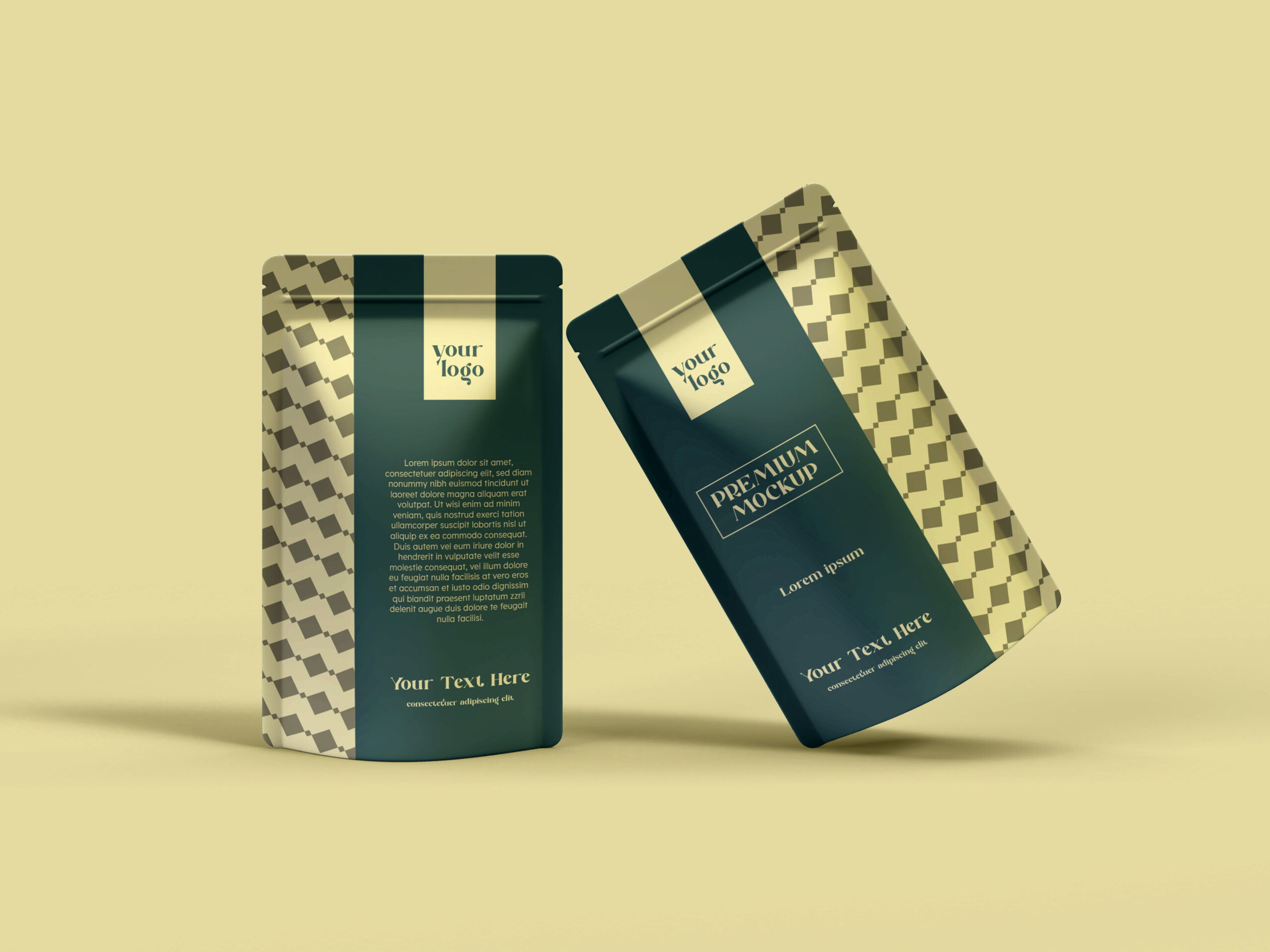
- Use glass jars or matte-finish pouches instead of thin plastic.
- Add resealable zippers, custom-cut windows, or pull tabs for ease and functionality.
- Use eco-friendly materials to appeal to environmentally conscious buyers.
Even how a product opens or feels in the hand can influence the buyer’s perception. Make it feel intentional.
6. Keep It Functional and Compliant
Even the most luxurious-looking package needs to be food-safe, durable, and easy to store or ship. Premium does not mean impractical. Ensure:
- Nutritional information is clear and accurate
- Expiration dates are visible
- The packaging can withstand transport and storage conditions
- The structure aligns with retail display requirements
Premium packaging should look great and perform well.
7. Build Brand Recognition Through Consistency
Premium brands often succeed by being memorable and consistent. From the logo to the language used on-pack, everything should feel cohesive across:
- Multiple product lines
- Seasonal packaging
- Website and social media presence
This builds customer trust, increases brand recall, and supports a higher perceived value across your portfolio.
8. Packaging for Online vs. In-Store Visibility
If your product is sold online, remember that buyers only see a flat photo before purchase. Your packaging must be designed with digital-first visibility in mind:
- Bold front-facing design
- Readable typography on small screens
- Clear product name and benefits visible in thumbnails
For retail, shelf impact is key. Your product may sit beside dozens of others—use contrast and shape to help it stand out.
Conclusion
In the crowded food and beverage market, packaging is no longer just a container—it’s your brand’s silent ambassador. If you want your product to look premium and sell well from the first glance, then your packaging must blend aesthetic appeal, storytelling, functionality, and brand consistency.
Whether you’re a food entrepreneur or a designer taking on food packaging projects, always begin with the customer’s eye in mind. Create an experience that feels intentional, premium, and emotionally resonant. Because in the world of food branding, first impressions aren’t just important—they’re everything.